
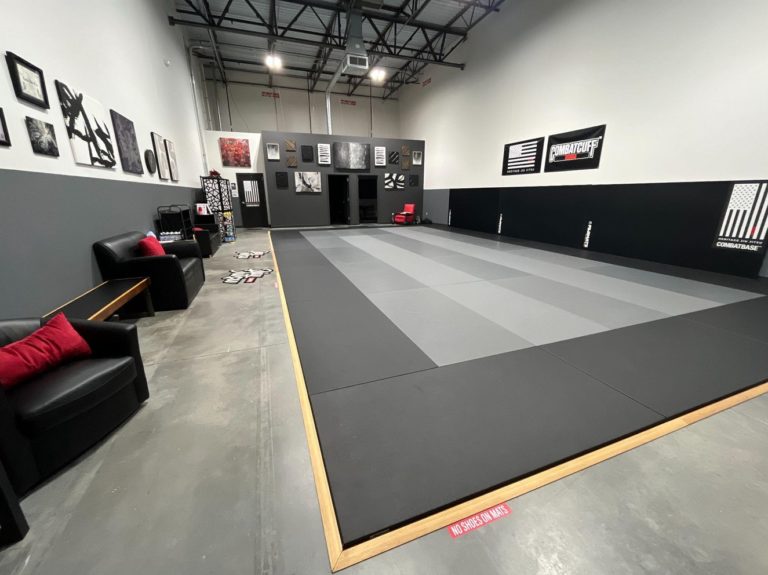
At Heritage Jiu Jitsu, we do more than teach submissions and escapes—we build a culture of respect, responsibility, and discipline. For those new to the world of No-Gi Jiu Jitsu, understanding the unwritten rules of the mat is an important part of training.
Whether you’re a beginner or a seasoned practitioner, embracing Jiu Jitsu culture is essential to becoming a better student and a respected teammate. Here’s what that looks like in a No-Gi environment like ours.
Cleanliness Is Non-Negotiable: Wash Your Gear Every Time
One of the things I remember most (and miss the least) about training in the gi is the smell. The gi holds smells like you wouldn’t believe. I used to know who I was rolling with when my eyes were closed just because of the unique smell.
Thankfully, that isn’t the same with no gi gear. However, hygiene is still critical in No-Gi Jiu Jitsu, where skin-to-skin contact and shared mats are the norm. After every session, wash your rash guard, shorts, spats, Combat Cuff and any other training gear. Showing up in unwashed gear is unacceptable and disrespectful to your teammates.
No one wants to roll with someone who smells bad or who might spread infectious pathogens. A clean body and clean gear show that you value your partners’ health and comfort.
Remember:
- Wash your gear after every single class
- Don’t let your gear sit wet in a backpack or washer
- Trim your nails
- Cover any open wounds
- Use deodorant
- Don’t train if you’re sick
Being a great training partner starts with basic hygiene.
Tap Early, Tap Often
One of the most important rules of safety in Brazilian Jiu Jitsu, especially No-Gi Jiu Jitsu, is knowing when to tap. There’s no shame in tapping—it’s a tool for learning and self-preservation.
Tap early. Tap clearly. Tap often.
- Don’t try to “tough it out” to prove something.
- Don’t delay tapping just to avoid losing a round.
- Don’t complain about tapping to a lower belt—it happens to everyone
Tapping shows maturity, not weakness. It shows you’re focused on growth and safety—not ego. And it’s better to tap and come back to train the next class than to tough it out and miss months of training. There is no shame in being submitted.
Bow On, Bow Off: Entering the Mat with Respect
No-Gi Jiu Jitsu doesn’t involve traditional uniforms, however, respect for the mat and the art remains the same. One of the simplest signs of that respect is bowing on and off the mats.
This isn’t about being formal—it’s about recognizing that the mat is a place of learning, discipline, and trust. It’s where your teammates share their bodies to help you grow, and where coaches invest their knowledge and energy to develop your skill. That space deserves acknowledgment.
Every time you step on or off the mat, take a moment to bow. It’s a small gesture with a big meaning.

Greet Everyone When You Step On the Mats
At Heritage Jiu Jitsu, we train as a team, not just a group of individuals. When you walk onto the mats, take a moment to say hello to your teammates and coaches. A simple fist bump, handshake, or a quick “what’s up” goes a long way in building a positive and respectful training environment.
This practice isn’t just about politeness—it’s about connection. The people you train with are your partners in growth. Treating each other with mutual respect and camaraderie strengthens the community and reinforces the culture we value.
Stay Out of the Way of Higher Ranks Sparring
During live rounds or positional sparring, always be mindful of your surroundings. If a higher belt is sparring and the match ends up close to you, move out of the way.
Understanding this aspect of Jiu Jitsu etiquette is part of respecting the hierarchy. Senior students have earned their place through time, commitment, and contributions to the academy. Give them the space they’ve earned and show awareness of the mat around you at all times.

Don’t Ask When You’ll Be Promoted
It’s natural to want to progress, but asking “When will I get my next stripe?” or “When will I get promoted?” is not the right mindset. Jiu Jitsu is not about collecting belts—it’s about building skill.
Instead of asking about your next promotion, ask:
- “How can I improve?”
- “What should I focus on?”
- “What does being a better student look like?”
This shows that you’re serious about growth and committed to the process. Coaches promote based on skill, consistency, attitude, and contribution to the team—not on requests.
At Heritage Jiu Jitsu Wake Forest, we look for students who show up, listen, drill with intention, and help others improve. We’re also intentional about consistently reviewing how long students have been training, how frequently they train, how they are doing against peers and classmates, and when they were last promoted. Promotions are earned, not given—and the best way to get there is by focusing on the work, not the stripe.
Meeting Expectations of the Coaches
Being a good student means more than following instructions. It means:
- Showing up consistently
- Being attentive during class
- Staying positive and coachable
- Respecting the coaching staff and senior ranks
- Following academy rules without pushback
Don’t argue with corrections. Don’t talk over the coach. Don’t act like you already know.
Instead, stay curious and hungry to learn. Ask for feedback. Be a student of the art, not just someone going through the motions. Coaches are here to help you grow—meet them with humility, respect, and effort.
Final Thoughts
At Heritage Jiu Jitsu, our No-Gi Jiu Jitsu training isn’t just about physical techniques—it’s about building a culture of excellence, discipline, and mutual respect. When you bow onto the mat, you’re stepping into a space that’s bigger than you. You’re joining a tradition that requires humility, hygiene, safety, and a willingness to learn.
Embrace the culture. Live by the code. And watch your growth as both a grappler and a person take off.
If you’re looking for a school that values technical No-Gi Jiu Jitsu, clean training culture, and personal development, come train with us. We’re more than just a team—we’re a tribe of people who hold each other to a higher standard.
